
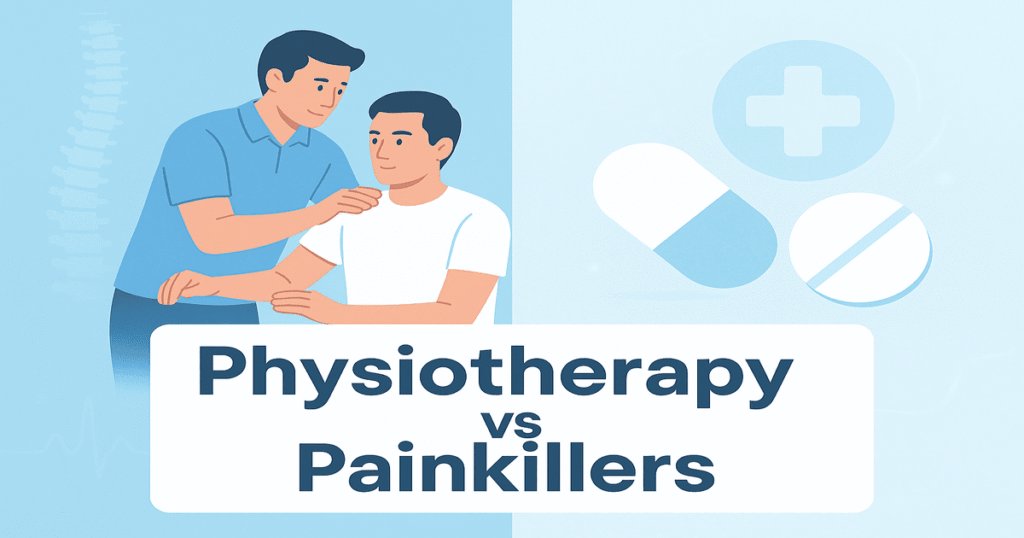
When chronic pain disrupts your life, the choice between physiotherapy and painkillers seems simple: one offers immediate relief, the other requires time and effort. However, research reveals that this apparent simplicity masks a crucial distinction between temporary symptom management and lasting healing. Understanding what science says about long-term outcomes helps you make informed decisions about your pain management approach.
The Quick Answer: Research Shows Physiotherapy Wins for Long-Term
What Studies Reveal
A comprehensive study analyzing health care insurance claims for 88,985 patients found that those who received early physiotherapy had a 89.4 percent lower probability of receiving an opioid prescription compared to those who delayed or never pursued physiotherapy. This research, published in health services journals, demonstrates that physiotherapy as first-line treatment significantly reduces reliance on medications.
The Stanford University and Duke University study examining musculoskeletal pain patients revealed that those who underwent physiotherapy soon after diagnosis were approximately 7 to 16 percent less likely to use opioids in subsequent months. For patients who did use opioids, early physiotherapy was associated with a 5 to 10 percent reduction in the amount of medication consumed.
The Centers for Disease Control and Prevention recommends nonpharmacological interventions as first-line treatment for chronic pain, with physiotherapy specifically highlighted as an effective alternative to opioid medications. This guidance reflects growing recognition that addressing pain’s underlying causes produces better long-term outcomes than symptom suppression alone.
How Painkillers Work (And Why They Stop Working)
Short-Term Relief, Long-Term Problems
Painkillers function by interrupting pain signals in your nervous system or reducing inflammation that causes discomfort. Nonsteroidal anti-inflammatory drugs (NSAIDs) like ibuprofen block enzymes that produce inflammatory compounds, while opioids bind to receptors in your brain and spinal cord to decrease pain perception.
The fundamental limitation of pain medication is that it addresses symptoms without correcting underlying biomechanical problems, muscle weaknesses, or movement patterns that cause pain. Research on chronic lower back pain found that while medications provide temporary relief, they don’t improve the functional status or address the root causes that perpetuate pain cycles.
Your body adapts to pain medications over time through a process called tolerance. The Stanford/Duke research noted that even when medication initially helps, it produces less and less effect as your body builds tolerance. This means you need progressively higher doses to achieve the same relief, a pattern that increases health risks without improving long-term outcomes.
Side Effects You Can’t Ignore
Extensive research documents serious risks associated with chronic painkiller use. Studies show that patients with past opioid prescriptions face an increased risk of overdose and misuse. Even at prescribed doses, opioids can cause respiratory depression, constipation, hormonal changes, and cognitive impairment.
NSAIDs, while considered safer than opioids, carry their own significant risks with chronic use. Long-term NSAID consumption is associated with gastrointestinal bleeding, cardiovascular complications, and kidney damage. Research indicates these risks increase substantially with regular, prolonged use.
The dependency risk extends beyond opioids. When pain management relies exclusively on medication, you may develop psychological dependence on the relief pills provide, even when physical addiction isn’t present. This creates barriers to adopting active pain management strategies that could provide lasting improvement.
How Physiotherapy Addresses Root Causes
Treating the Problem, Not Just the Symptoms
Physiotherapy takes a fundamentally different approach by identifying and correcting the underlying causes of pain. Rather than simply blocking pain signals, physiotherapists address biomechanical dysfunction, muscle imbalances, poor movement patterns, and structural issues that generate pain.
A randomized controlled trial examining chronic lower back pain found that physiotherapy combined with medical therapy and exercise led to significantly better improvements in both pain and functional status at three months after treatment initiation compared to medication and exercise alone. The study demonstrated that adding physiotherapy techniques to standard care produces superior outcomes.
Clinical practice guidelines for nonspecific lower back pain recommend nonpharmacological therapy for patients who don’t improve quickly with initial conservative measures. These evidence-based recommendations recognize that correcting movement dysfunction and building physical resilience prevent pain recurrence more effectively than ongoing medication use.
For conditions like arthritis, where joint inflammation and stiffness cause pain, physiotherapy improves joint mobility, strengthens supporting muscles, and teaches movement strategies that reduce stress on affected joints. This comprehensive approach addresses multiple factors contributing to pain simultaneously.
Long-Lasting Results
Perhaps physiotherapy’s most significant advantage is the durability of its benefits. Research on chronic lower back pain patients found that improvements in pain and functional status were sustained for one year after treatment completion. Unlike medication, which only works while you’re taking it, physiotherapy creates lasting changes in your body’s structure and function.
The Stanford/Duke study found that patients with knee pain who received early physiotherapy were 66 percent less likely to become chronic opioid users. For lower back pain patients, early physiotherapy reduced chronic opioid use by 34 percent. These findings demonstrate that physiotherapy not only provides immediate benefits but also fundamentally alters long-term pain trajectories.
Studies examining exercise therapy for adults with lower back pain found that such treatment decreases pain, improves function, and helps people return to work. The functional improvements mean you can resume activities that pain previously prevented, directly enhancing quality of life beyond mere pain reduction.
Research-Backed Comparison: The Evidence
Physiotherapy Reduces Opioid Use by 89%
The most striking evidence comes from research showing that low back pain patients who saw a physiotherapist first had 89.4 percent lower probability of receiving an opioid prescription compared to those who delayed or avoided physiotherapy. This dramatic reduction demonstrates physiotherapy’s effectiveness as an alternative to pharmaceutical pain management.
Breaking down the data by pain location, the Stanford/Duke research found reduced opioid use odds across all examined conditions: 16 percent reduction for knee pain, 15 percent for shoulder pain, 8 percent for neck pain, and 7 percent for lower back pain. These consistent benefits across different pain types suggest the broad applicability of physiotherapy as a medication-sparing treatment approach.
For patients who did require opioids, early physiotherapy substantially reduced consumption. The research documented approximately 10 percent reductions in opioid quantities for shoulder, knee, and lower back pain when patients received early physiotherapy intervention.
Combined Approach Delivers Best Results
Research comparing physiotherapy alone versus physiotherapy combined with medical treatment found that the combination approach produced superior outcomes. A randomized controlled trial on chronic lower back pain reported that in both groups receiving treatment, pain scores and functional disability significantly improved after treatment compared to before treatment values, but the group receiving combined therapy showed greater improvement.
This doesn’t mean you must choose between physiotherapy and pain management entirely. The research suggests strategic, short-term medication use to control acute pain while you build strength and correct dysfunction through physiotherapy often produces optimal results. The key is prioritizing physiotherapy as the primary treatment with medication serving a supporting role, not the reverse.
Studies on multidisciplinary pain management programs that integrate physiotherapy with other interventions consistently show better outcomes than single-modality approaches. The effectiveness of combined treatment reflects pain’s complex nature, addressing it from multiple angles simultaneously provides more comprehensive relief.
Cost-Effectiveness: Healthcare Savings
Beyond clinical outcomes, physiotherapy demonstrates superior cost-effectiveness compared to medication-dependent pain management. Research found that patients who saw a physiotherapist first had 27.9 percent lower probability of receiving advanced imaging services and 14.7 percent lower probability of emergency department visits.
While medication costs might seem lower initially, the total healthcare costs associated with medication-first approaches exceed physiotherapy-first strategies. The research documented reduced out-of-pocket costs for patients who prioritized physiotherapy, with costs shifting away from expensive emergency interventions toward proactive treatment.
Long-term cost analysis reveals even greater savings. Preventing chronic opioid dependence, avoiding medication-related complications requiring treatment, and reducing disability that prevents work all contribute to physiotherapy’s favorable cost profile over time.
Ready to address your pain at its source? Book a home physiotherapy session in Islamabad and Rawalpindi and experience evidence-based treatment that provides lasting relief without medication dependency.
When Painkillers Have Their Place
Acute Pain and Short-Term Use
Despite physiotherapy’s superior long-term outcomes, pain medications serve important purposes in specific scenarios. Acute pain from injuries, post-surgical discomfort, or severe pain flares requires immediate relief that medications provide while you begin physiotherapy treatment.
Research supports short-term painkiller use to control symptoms sufficiently for participation in physiotherapy. Some pain levels prevent effective exercise and manual therapy—modest medication use creates a therapeutic window where you can engage in treatments that produce lasting improvement.
The key distinction involves duration and intent. Short-term medication use to facilitate active rehabilitation differs fundamentally from indefinite medication use as the sole pain management strategy. Clinical guidelines recommend limiting opioid prescriptions to the minimum duration necessary while prioritizing nonpharmacological treatments.
Complementing Physiotherapy (Not Replacing It)
When used strategically, painkillers can enhance physiotherapy outcomes. Taking anti-inflammatory medication before therapy sessions may allow for more effective treatment by reducing pain that limits tolerable exercise intensity or manual therapy techniques.
Some chronic conditions, like severe arthritis, may require ongoing pain management medication. Even in these cases, research demonstrates that adding physiotherapy improves outcomes and may allow medication dose reductions. Studies found that exercise programs can reduce pain and improve physical function among individuals with hip and knee osteoarthritis, potentially decreasing medication requirements.
For patients concerned about medication use, natural pain relief options provide alternatives that complement physiotherapy without pharmaceutical risks. Soothex Pain Relief Oil combines research-backed essential oils that reduce inflammation and relax muscles, supporting your physiotherapy program with natural ingredients that don’t carry medication side effects.
The Best Approach: Combining Natural Solutions with Professional Care
Physiotherapy + Natural Pain Relief
The most effective long-term pain management combines professional physiotherapy with natural pain relief products. While physiotherapy corrects underlying dysfunction, natural oils provide symptom relief between sessions without building tolerance or causing side effects.
Essential oils containing ingredients like peppermint, eucalyptus, wintergreen, and ginger work through multiple mechanisms, cooling inflammation, warming tight muscles, and improving circulation to support your body’s healing process. Unlike pharmaceutical medications, natural pain relief products work with physiotherapy rather than simply masking symptoms.
Patients using this combined approach often report faster progress in physiotherapy because they can maintain more consistent activity levels between sessions. The natural pain relief prevents the acute flares that might otherwise interrupt your rehabilitation program.
Building Long-Term Resilience
Physiotherapy creates lasting pain relief by building your body’s resilience against future problems. Through targeted exercises, manual therapy techniques, and education about proper movement patterns, you develop strength, flexibility, and body awareness that prevent pain recurrence.
Research consistently demonstrates that exercise therapy reduces pain duration and frequency for chronic conditions. The physical adaptations from consistent physiotherapy include stronger stabilizing muscles, improved joint mobility, better posture, and provide ongoing protection against the mechanical stresses that caused your original pain.
The educational component of physiotherapy proves equally valuable. Understanding your condition, recognizing early warning signs, and knowing how to modify activities prevent minor issues from becoming major problems. This knowledge empowers you to manage your health actively rather than remaining dependent on external treatments.
Conditions Where Physiotherapy Outperforms Painkillers
Chronic Low Back Pain
Lower back pain represents the world’s leading cause of years lived with disability, making effective treatment crucial. Multiple randomized controlled trials demonstrate physiotherapy’s superior long-term outcomes for this condition compared to medication-alone approaches.
Research found that physiotherapy combined with medical therapy produced better improvements in pain and functional status than exercise and medical treatment without physiotherapy. The improvements sustained for three months after treatment, demonstrating durability beyond the active treatment period.
For patients with lower back pain, early physiotherapy reduced chronic opioid use by 34 percent, a substantial risk reduction that prevents the complications associated with long-term opioid therapy. Specialized back pain treatment addresses the muscle imbalances, core weakness, and movement dysfunction that perpetuate lower back problems.
Arthritis and Joint Pain
Studies show that therapeutic exercise programs reduce pain and improve physical function among individuals with hip and knee osteoarthritis. These benefits extend beyond simple pain reduction to include improved mobility, increased independence in daily activities, and a better quality of life.
Research examining essential oils for arthritis found that combinations of eucalyptus, lavender, rosemary, and peppermint oils helped relieve arthritis pain. When combined with physiotherapy that strengthens joint-supporting muscles and improves movement patterns, natural pain relief provides comprehensive arthritis management without medication side effects.
The progressive nature of arthritis makes early intervention particularly important. Physiotherapy that maintains joint mobility and muscle strength can slow arthritis progression, potentially delaying or preventing the need for joint replacement surgery.
Sports Injuries and Post-Surgery Recovery
Athletes require pain management approaches that facilitate rather than impede recovery. Research on sports physiotherapy demonstrates effectiveness for injury rehabilitation while avoiding the performance-impairing and dependency risks associated with pain medications.
Preoperative exercise and education in patients undergoing total hip arthroplasty led to significant pain reductions and shorter hospital stays postoperatively. This research highlights physiotherapy’s value both before and after surgical interventions, improving outcomes at multiple stages of care.
Sports rehabilitation services focus on restoring function, building strength, and preventing re-injury outcomes that matter more to athletes than simple pain suppression. Natural pain relief products support recovery without concerns about drug testing or performance impacts.
Neck and Shoulder Pain
Neck and shoulder problems often stem from postural dysfunction and muscle imbalances that medication cannot correct. Research found that patients with shoulder pain who received early physiotherapy were 15 percent less likely to use opioids in subsequent months.
Physiotherapy for neck and shoulder conditions addresses the ergonomic factors, muscle weaknesses, and movement patterns causing pain. Techniques like manual therapy, postural training, and strengthening exercises provide lasting relief by correcting these underlying problems.
For elderly patients experiencing age-related shoulder stiffness or women dealing with pregnancy-related neck tension, physiotherapy offers safe, effective treatment without medication risks that might complicate other health conditions or affect pregnancy.
Getting Started with Physiotherapy in Islamabad & Rawalpindi
What to Expect in Your First Session
Your initial physiotherapy visit begins with a comprehensive assessment. The physiotherapist reviews your medical history, evaluates your pain patterns, assesses your movement quality, and identifies factors contributing to your condition. This thorough evaluation creates the foundation for your personalized treatment plan.
During assessment, your therapist measures baseline pain levels, range of motion, strength, and functional limitations. These measurements provide objective markers for tracking your progress throughout treatment. Understanding where you’re starting helps you recognize improvements that might otherwise seem gradual.
The first session typically includes some treatment manual therapy techniques, initial exercises, or pain relief modalities so you begin experiencing benefits immediately. Your therapist explains your condition in understandable terms, answers your questions, and establishes realistic expectations for your recovery timeline.
Home Physiotherapy Advantages
Home-based physiotherapy eliminates transportation barriers that might prevent consistent treatment attendance. For patients with severe pain, mobility limitations, or busy schedules, receiving professional therapy at home ensures you can maintain the regular sessions research shows produce optimal outcomes.
Research comparing digital home-based physiotherapy programs with in-person clinic treatment found similar improvements in disability and pain between both approaches, with home programs showing lower dropout rates. This evidence supports home physiotherapy’s effectiveness while offering superior convenience.
Homephysiopro provides 24/7 home physiotherapy services throughout Islamabad and Rawalpindi, bringing certified therapists and all necessary equipment directly to you. Whether you need post-surgery rehabilitation, neurological recovery support, or women’s health physiotherapy, professional treatment comes to your door.
Quick Answers About Physiotherapy vs Painkillers
How Long Before Physiotherapy Shows Results?
Research demonstrates measurable improvements within the first few sessions. Studies on chronic lower back pain found significant pain and functional status improvements at two weeks after treatment initiation, with continued improvement at three months and sustained benefits at one-year follow-up.
Individual timelines vary based on condition severity, treatment consistency, and adherence to home exercise programs. Acute injuries often improve quickly, while chronic conditions require more time to address long-standing dysfunction. However, most patients notice some improvement within 2-4 weeks of consistent treatment.
Unlike medications that stop working when discontinued, physiotherapy’s benefits accumulate over time. Each session builds on previous progress, creating lasting changes rather than temporary symptom suppression.
Can I Stop Painkillers Immediately?
If you’re taking pain medication regularly, particularly opioids, don’t stop abruptly without medical supervision. Sudden discontinuation can cause withdrawal symptoms and pain flares that make transitioning to physiotherapy more difficult.
Work with your healthcare provider to develop a tapering schedule that gradually reduces medication as physiotherapy improves your condition. Research supports this approach. Studies found that early physiotherapy was associated with reduced opioid consumption among patients who did use these medications, suggesting physiotherapy enables gradual medication reduction.
For some patients, short-term strategic medication use during early physiotherapy sessions helps control pain sufficiently to participate fully in treatment. As your strength improves and dysfunction corrects, many patients naturally require less medication without formal tapering.
Is Physiotherapy More Expensive?
Initial physiotherapy costs may exceed medication expenses, but total healthcare costs favor physiotherapy when considering long-term outcomes. Research found that patients who saw physiotherapists first had lower out-of-pocket costs overall, with reduced expenditures on imaging, emergency department visits, and ongoing medications.
The cost comparison becomes even more favorable when considering indirect expenses. Chronic medication use requires regular doctor visits for prescription renewals, monitoring for side effects, and managing complications. Physiotherapy’s goal of improving function and reducing pain long-term potentially eliminates these ongoing costs.
For comprehensive cost information about physiotherapy services, Homephysiopro offers transparent pricing and package deals that make consistent treatment affordable while delivering superior long-term value compared to indefinite medication use.
Choose Long-Term Health Over Quick Fixes
Research unequivocally demonstrates that physiotherapy provides superior long-term outcomes compared to painkiller-dependent pain management. With an 89 percent reduction in opioid prescription probability, sustained improvements lasting a year after treatment, and better functional outcomes, physiotherapy addresses pain at its source rather than merely suppressing symptoms.
Book Professional Physiotherapy
Stop managing pain with medications that lose effectiveness while carrying serious health risks. Evidence-based physiotherapy corrects the underlying dysfunction causing your pain, building lasting resilience rather than temporary relief.
Homephysiopro’s certified physiotherapists bring professional treatment directly to your home in Islamabad and Rawalpindi. With expertise across conditions from chronic back pain to sports injuries, arthritis management to post-surgical rehabilitation, you receive personalized care designed for your specific needs.
Available 24/7 with transparent pricing and flexible packages, getting started with evidence-based physiotherapy has never been easier. Whether you need geriatric care, pediatric therapy, or specialized women’s health treatment, professional help is just a call away.
Book your home physiotherapy session today and start building long-term pain relief backed by research, not temporary symptom suppression with mounting health risks.
Complement with Natural Pain Relief
While transitioning to physiotherapy-centered pain management, natural pain relief products provide symptom control without pharmaceutical risks. Soothex Pain Relief Oil combines eleven research-backed essential oils that reduce inflammation, improve circulation, and relax muscles.
With ingredients like peppermint, eucalyptus, wintergreen, and ginger proven effective in clinical studies, Soothex supports your physiotherapy program naturally. The fast-absorbing, non-greasy formula works between therapy sessions to keep you comfortable and active during your recovery journey.
Order Soothex Pain Relief Oil and experience natural pain management that complements your physiotherapy without building tolerance or causing side effects.
Your pain deserves treatment that creates lasting change, not temporary suppression with mounting complications. Choose physiotherapy backed by research showing 89% reduction in opioid use, sustained improvements lasting a year, and better functional outcomes. Choose long-term health over quick fixes. Choose Homephysiopro.